INTRODUCTION In the world of rare aquatic plants, Bucephalandra ‘Kedagang’ is a crown jewel. This specific cultivar is famous for being one of the most colorful and visually striking “Buces” in the hobby. It features long, slender leaves with heavily ruffled edges and a dark, metallic coloration that can range from deep purple to “blue-black.” What truly sets...
Blyxa japonica Care Guide
INTRODUCTION Blyxa japonica is an iconic aquascaping plant that occupies a unique niche: it looks like a grass, but it is actually a true stem plant. Known for its elegant, needle-like leaves and bushy, “hedgehog” appearance, it is the gold standard for creating soft, flowing textures in the midground of an aquarium. Unlike true hairgrasses that spread via runners, Blyxa japonica...
Anubias barteri var. nana Care Guide
INTRODUCTION If there were a “Hall of Fame” for aquarium plants, Anubias barteri var. nana would be at the very top. Often simply called “Nana,” this plant is the quintessential beginner-friendly epiphyte. Known for its deep green, heart-shaped leaves and legendary “bulletproof” durability, it thrives in almost any water condition. Whether you are scaping a...
Anubias barteri ‘Mini Coin’ Care Guide
INTRODUCTION Anubias barteri ‘Mini Coin’ is a boutique favorite in the aquascaping world, prized for its exceptionally small, nearly perfectly circular leaves. As the name suggests, the foliage resembles tiny green coins, offering a unique texture compared to the pointed leaves of the standard Anubias nana or ‘Nana Petite’. It is a slow-growing, incredibly hardy epiphyte...
Bacopa caroliniana (Lemon Bacopa) Care Guide
Bacopa caroliniana, often known as Lemon Bacopa, is a staple in the aquarium hobby for good reason. It’s a hardy, upright stem plant characterized by its thick, succulent-like leaves and a refreshing citrus scent when the leaves are crushed or trimmed. Whether you are a beginner looking for a plant that “just won’t die” or a pro seeking a reliable midground accent, this North...
The “No-Nonsense” Guide to Tissue Culture Plants
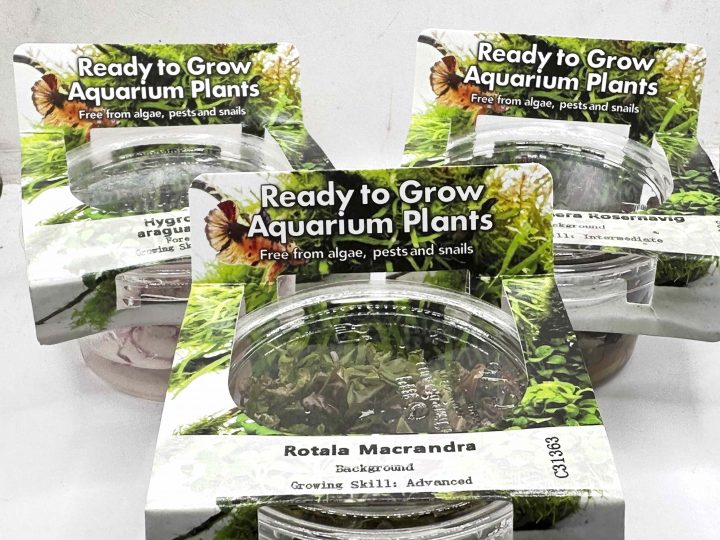
(And why these mini-portions are a total game-changer for your tank) If you’ve been browsing SoggyJournal.com, you’ve probably seen those little Black & Silver mylar bags. Those aren’t just fancy packaging—inside is a “clean” plant grown in a lab. But if you’re a nano-tank enthusiast or just want to try a rare species without spending a fortune, a giant cup of tissue culture...
09/03/26 8am The Monday Dash
Location: West Coast, Scotland (The Highlands) Date: 9/03/26 Monday morning Condition: Damp, caffeinated, and rushing for the ferry. 8:00 AM. The Highlands are still waking up, but the kettle is already screaming. Monday is “Postal Day.” I’ve got 28 orders on the table this morning. That might not sound like a lot to a big corporate warehouse, but when you’re hand-picking every stem...
Soggy Journal Entry #01: The Sandcastle Bucket
Location: Blue Lagoon, Umgeni River (South Africa) Date: Circa 1960s Condition: Sun-bleached and water-stained. The sun was brutal that day. I can still feel the “red raw” sting of the burn on my shoulders, but at five years old, I didn’t care. I was focused on the waters edge. We were having a family braai, and I was standing at the edge of the Blue Lagoon where the river meets...
The Zero-Effort Scape: A Beginner’s Guide to Wabi-Kusa in the Aquarium
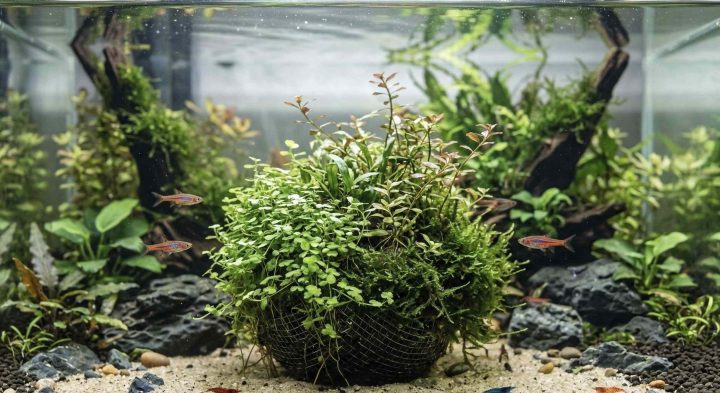
If you’ve ever sat in front of a new aquarium with a pile of individual plant stems and a pair of tweezers, you know that “day one” of a planted tank can be exhausting. Your back hurts, the plants keep floating up, and by the time you’re done, the water is cloudy. But there is a better way. I call it the “Drop and Grow” method, and it centers around the Wabi-Kusa. In...
The Secret Life of Moss: Keeping Your Wabi Kusa Thriving on the Tank Floor
How to care for and display miniature planted balls in your aquarium Wabi kusa balls are tiny, self-contained ecosystems. Each ball has its own nutrient-rich substrate, so they don’t need the tank floor for food—they’re already equipped to thrive wherever you place them. Over the years, I’ve made and sold hundreds of these balls, and I’ve learned the best ways to help them grow strong, healthy...