Everything you need to know about creating, planting, and styling these miniature planted balls.
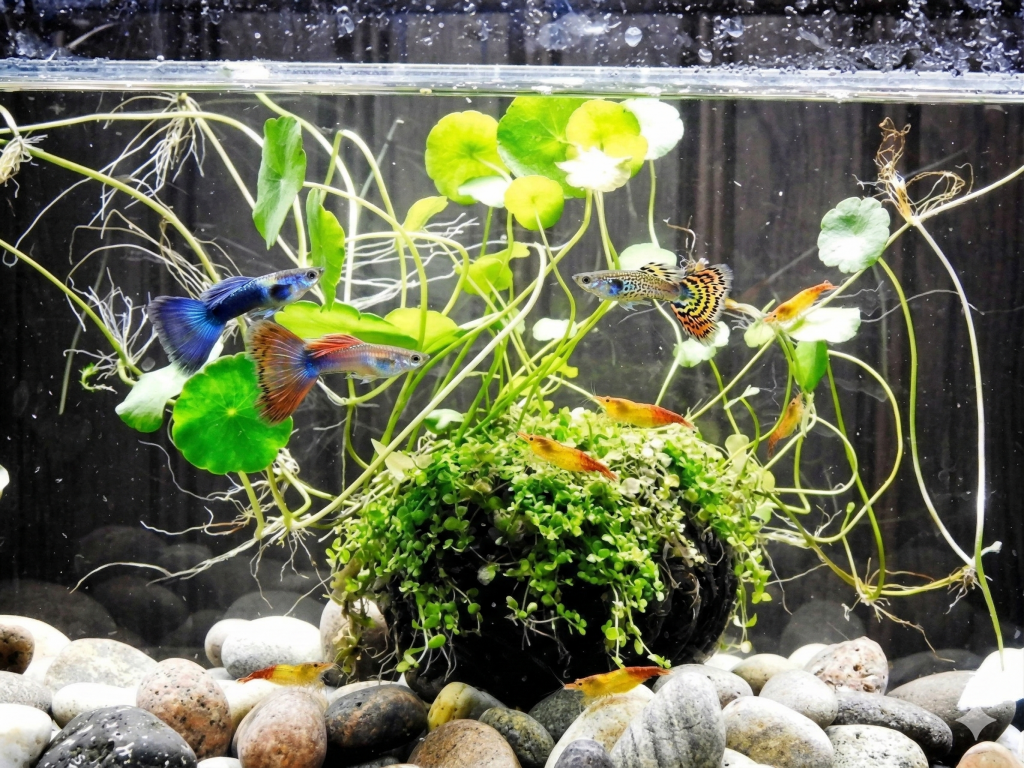
If you’ve ever wanted to bring a touch of lush, living art to your aquarium or terrarium, wabi kusa is your answer. Over the years, I’ve spent countless hours experimenting with plants, substrates, and setups—and these tiny planted balls have quickly become my favorite way to add life, texture, and interest to any tank or terrarium.
Whether you’re new to aquascaping or a seasoned hobbyist, this guide will cover everything you need: creating your own wabi kusa, styling tips, and caring for them. Plus, I’ll share how my ready-made wabi kusa balls and mounting brackets make it easier to bring these miniature ecosystems to life.
What Are Wabi Kusa Balls?
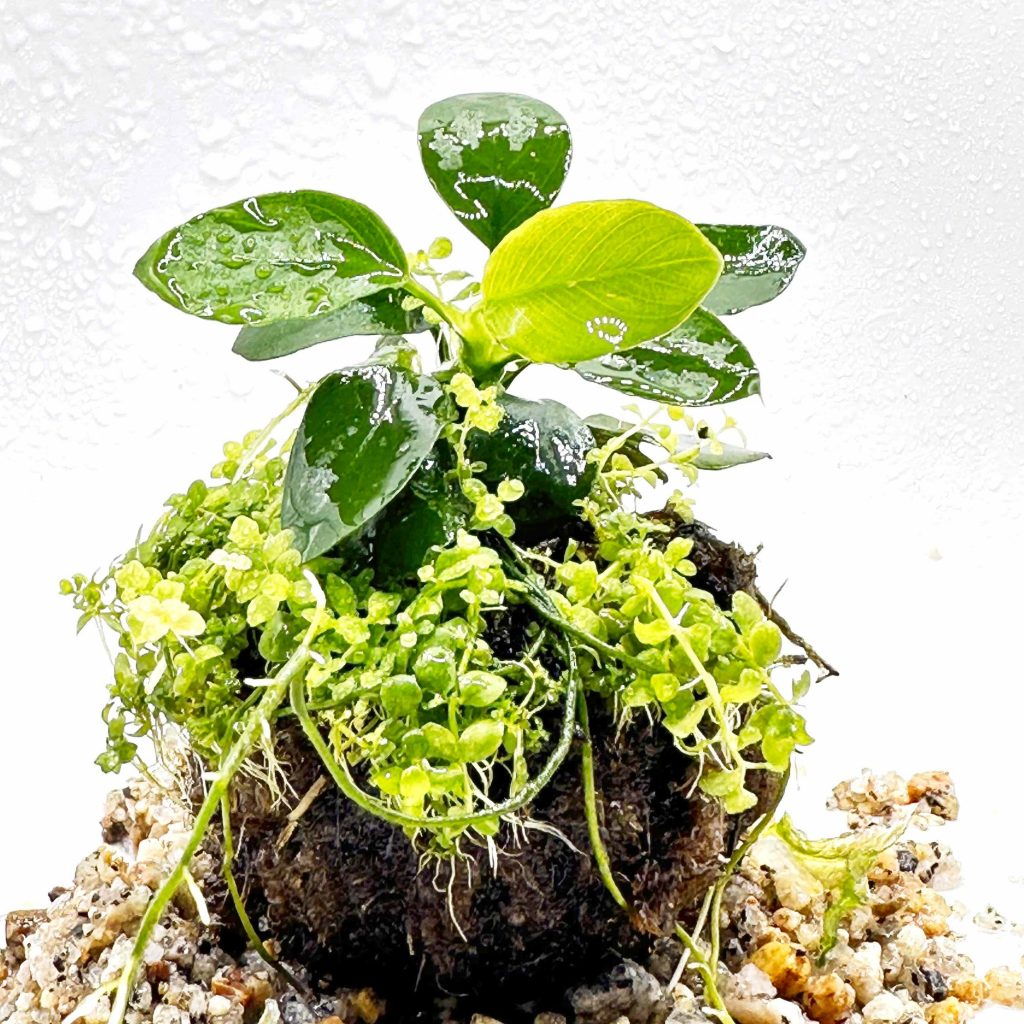
Wabi kusa is a Japanese concept meaning “aesthetic moss ball,” but in the aquarium and terrarium world, it’s so much more. These are small balls of substrate topped with moss and aquatic plants that form a complete, self-contained ecosystem.
They can:
- Sit naturally on the substrate of your tank
- Float gracefully in water
- Be mounted on glass using brackets for a floating or elevated effect
These miniature planted balls are both decorative and functional, creating a habitat for fish, shrimp, and terrarium critters alike.
Why I Recommend Wabi Kusa
From my experience, wabi kusa balls are a game-changer for any aquascaping project:
- Visual appeal: Adds texture, color, and depth to your aquarium or terrarium
- Flexible placement: Use substrate, floating, or glass-mounted setups
- Mini ecosystems: Supports plant and animal life in a compact form
- Easy care: Once established, they require minimal maintenance
Honestly, nothing beats watching a tiny wabi kusa ball grow and evolve over time.
How to Make Your Own Wabi Kusa
Creating your own miniature planted ball is easier than it seems. Here’s my step-by-step guide:
- Choose your plants – Java Moss, Riccia, Hemianthus callitrichoides, or tiny terrarium ferns
- Pick your substrate – Nutrient-rich soil, clay-based substrate, or a custom mix
- Form the ball – Combine plants and substrate, shaping it into a compact sphere
- Soak and condition – Submerge in water for a few days to help roots establish
- Style and display – Place on substrate, float, or mount using brackets
Pro tip: My custom brackets let you mount wabi kusa on glass, giving your tank or terrarium a floating effect that’s impossible with traditional setups.
Caring for Wabi Kusa Balls
Keeping your wabi kusa healthy is simple:
- Lighting: Moderate aquarium lighting or indirect sunlight for terrariums
- Water changes: Regular water refresh keeps moss vibrant and algae-free
- Trimming: Shape and prune plants to maintain a neat, natural look
- Rotation: Occasionally rotate or reposition for even growth
With a little care, these planted balls thrive for months, adding life and interest to your tanks.
Styling Tips for Maximum Impact
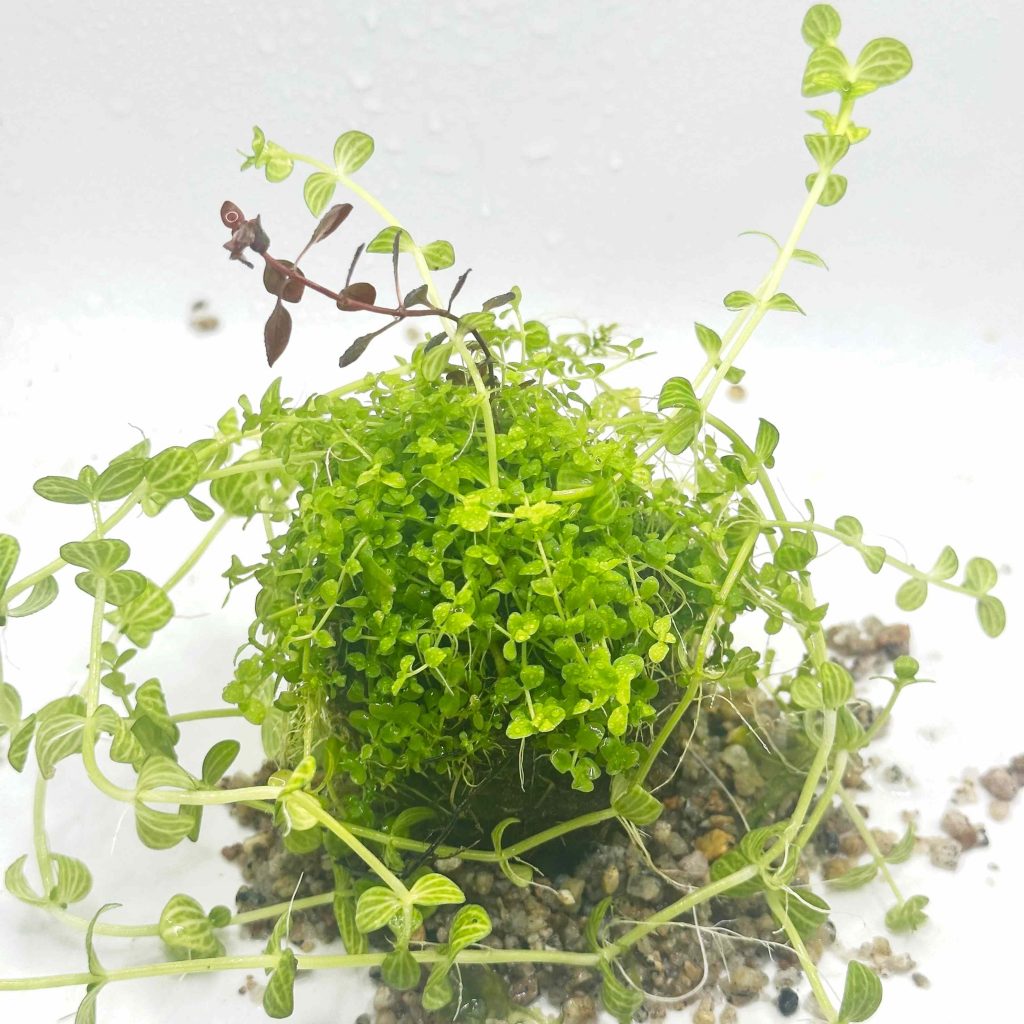
Here are my favorite ways to make wabi kusa balls shine in your setup:
- Cluster multiple balls: Combine different sizes for a natural look
- Floating arrangements: Use brackets for midwater displays
- Terrarium centerpieces: Pair with moss, small ferns, or driftwood
- Combine with 3D ornaments: I often pair them with my custom 3D-printed aquarium ornaments for depth and texture
The key is layering and contrast—let your miniature ecosystems feel like part of a real, living landscape.
Buy vs. DIY: Why Ready-Made Wabi Kusa Can Help
DIY wabi kusa is rewarding, but it takes time to perfect. That’s why I also offer ready-made wabi kusa balls, carefully planted and balanced for aquariums and terrariums.
Plus, my glass-mounting brackets let you display them in unique ways—something many hobbyists struggle to do on their own. It’s the perfect shortcut for hobbyists who want immediate results without sacrificing quality.
Final Thoughts
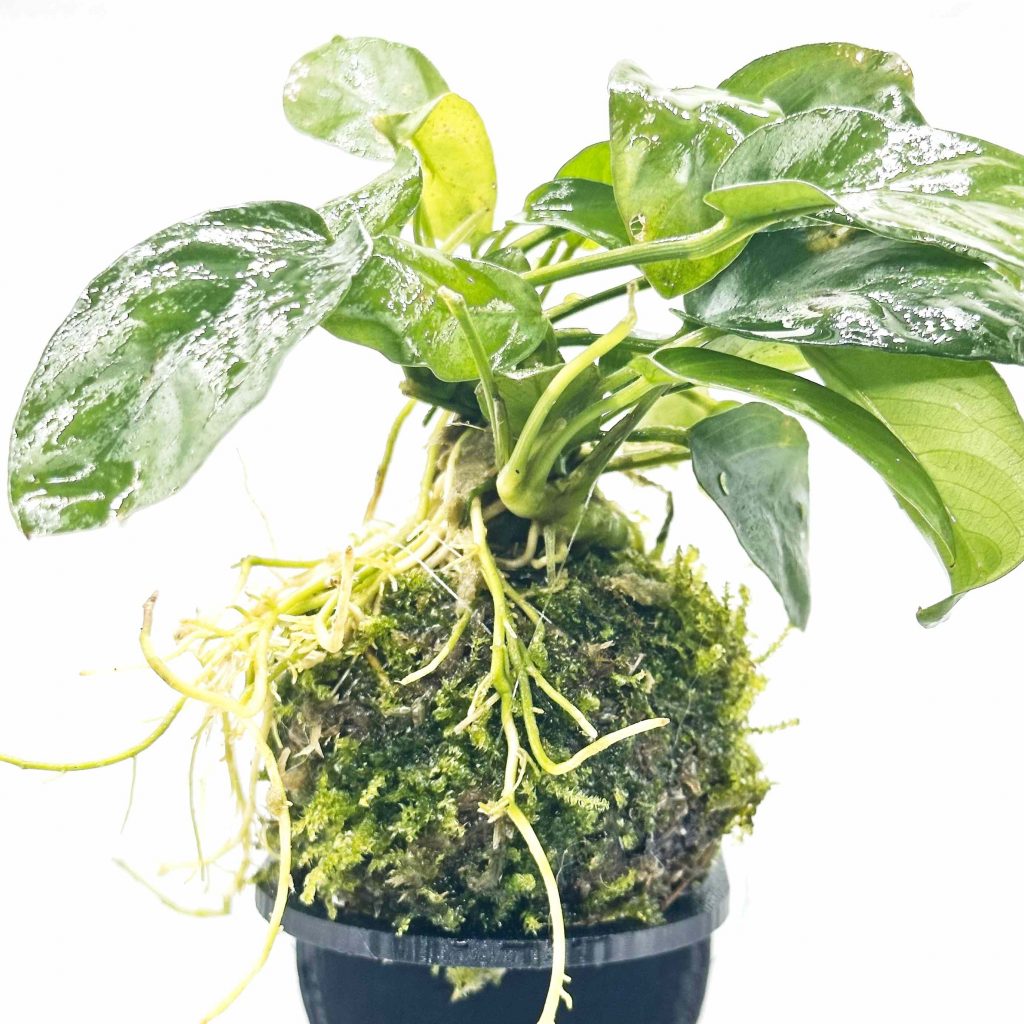
Wabi kusa aren’t just aquarium or terrarium decorations—they’re miniature ecosystems and living art. Whether you create your own or pick up a ready-made ball, these planted spheres bring texture, life, and a little bit of Zen to any space.
Experiment, have fun, and watch your wabi kusa thrive. And if you want to make things easier, check out my wabi kusa balls and brackets—designed to help anyone bring a tiny ecosystem to life, effortlessly.

[…] kusa balls are remarkable because they’re miniature ecosystems that come ready to thrive. They don’t need substrate nutrients, but careful placement, proper lighting, and gentle care […]
[…] Pro Tip: Not sure which species to mix? I’ve got a full “Recipe List” : Wabi Kusa Wonders: Tiny Substrate Ecosystems for Your Tank or Terrarium […]