Let’s be real—most of us start this hobby with a sea of green. There’s nothing wrong with that, but eventually, you hit a wall where the tank looks a bit… flat. You see those high-end competition scapes with that searing, blood-red focal point and think, “I need a CO2 tank the size of a scuba kit and a PhD to grow that.”
Enter Rotala indica ‘Red’ (the hobbyist favorite, technically a variant of Rotala rotundifolia).
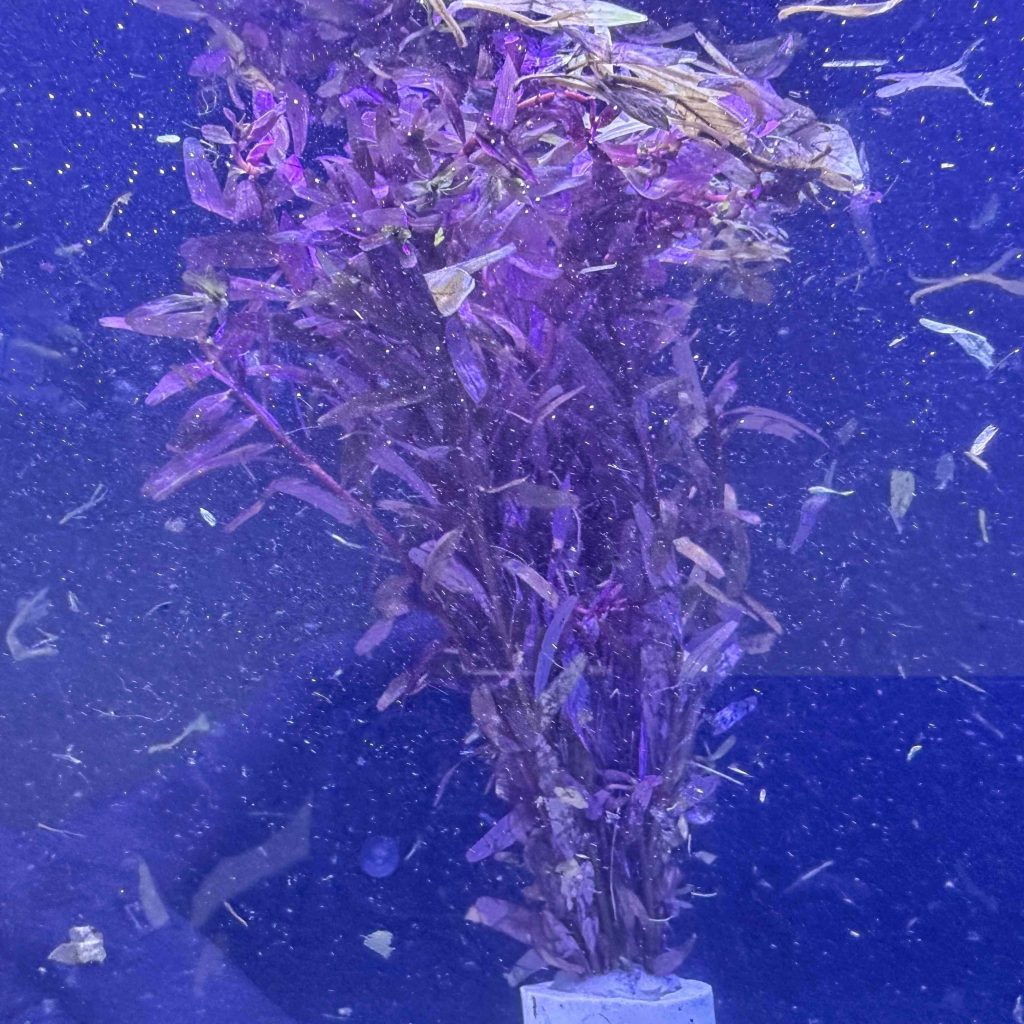
This plant is essentially the bridge between “beginner green” and “pro-level colour.” It’s a stem plant that doesn’t just sit there looking pretty; it’s a biological powerhouse that solves half the problems we face in a closed ecosystem. If you’ve been on the fence about adding red to your layout because you’re worried about it melting or turning brown, let’s dive into why this specific plant is the one you’ve been waiting for.
The Science of the “Glow”: Why it Turns Red
Before we talk about looks, let’s talk biology. That red pigment isn’t just for show—it’s called anthocyanin. In the wild, the plant produces this as a form of “sunscreen” to protect its delicate tissues from intense light.
In your tank, this is a massive benefit for two reasons:
- Light Absorption: Red leaves allow the plant to utilize different spectrums of light more efficiently than purely green plants.
- The Stress Indicator: It’s a living dashboard. If your Rotala Red is turning green or orange, it’s literally whispering to you that your nitrates are too high or your light is too low. It gives you a visual cue to tweak your maintenance before things go south.
The “Algae Buster” with a Makeover
We all know fast-growing stems are the best defense against algae. Usually, that means buying a bunch of green weeds that you have to trim every three days. Rotala Red gives you that same nutrient-sponging capability but with a designer aesthetic.
- Nitrate Vacuum: It grows fast enough to suck up excess ammonia and nitrates that would otherwise fuel a hair algae breakout.
- Phosphate Management: If you’re a heavy feeder (we all love our fish, I get it), Rotala Red helps pull those extra phosphates out of the water column, keeping your glass cleaner for longer.
Technical Scaping: Creating Depth and “The Pop”
From a design perspective, Rotala Red is a total “problem solver.” If you have a large piece of driftwood or a dark rock, a green plant will often get lost in the shadows.
Because the red leaves reflect light differently, they create instant contrast. Placing a thicket of this in the background creates a “sunset” effect that makes your green mid-ground plants look even greener. It tricks the eye into seeing more depth, making a standard 20-gallon tank feel like a deep, sprawling riverbed.
Why Every Enthusiast Needs This Plant
- Adaptability: While it loves CO2, it doesn’t require it to survive. It might stay more orange than blood-red in a low-tech tank, but it’ll still grow like a weed.
- Propagation for Days: You buy five stems today, and in a month, you have fifty. It’s the most cost-effective way to fill a large aquarium.
- Textural Variety: The fine, needle-like leaves offer a delicate texture that balances out broad-leafed plants like Anubias or Amazon Swords.
- Safe Haven: The dense “jungle” it creates is the ultimate nursery for fry and a grazing ground for shrimp.
Pro Tips:
- The “Nitrate Limitation” Trick: If you want that deep, localized “fire” red, keep your nitrates on the lower side (around 5–10 ppm). When the plant is slightly nitrogen-starved but has high light and iron, it maxes out its red pigment.
- Trimming for Density: Never just pull the plant out. Snip it halfway down. The remaining “stump” will grow two new heads, making the bush twice as thick. Take the top part you cut off and replant it right next to the original to double your forest.
- The Iron “Pop”: Use a dedicated iron supplement once a week. This is the secret sauce for keeping the red from turning into a dull “muddy” orange.
- Substrate Matters: While it takes nutrients from the water, it thrives in a nutrient-rich soil. If you’re using sand or gravel, you must use root tabs directly under the Rotala group.
- Light Placement: Always plant your Rotala Red directly under the “hot spot” of your LED. If it’s in a shaded corner, it will drop its lower leaves and start stretching, looking “leggy” and thin.
- Don’t Fear the Melt: When you first get it, it might be in its “emersed” form (grown out of water), with round green leaves. Don’t panic! Within a week, it will sprout the long, thin red leaves you’re looking for. Just trim away the old round leaves once the new growth is established.
