INTRODUCTION
Microsorum pteropus ‘Narrow Leaf Red’ is an extraordinary and relatively rare variation of the classic Java Fern. While Java Ferns are legendary for being “immortal” green plants, the ‘Narrow Leaf Red’ adds a sophisticated color dynamic. This variety is characterized by its slim, elegant leaves that exhibit a distinctive reddish-bronze to brownish hue on new growth.
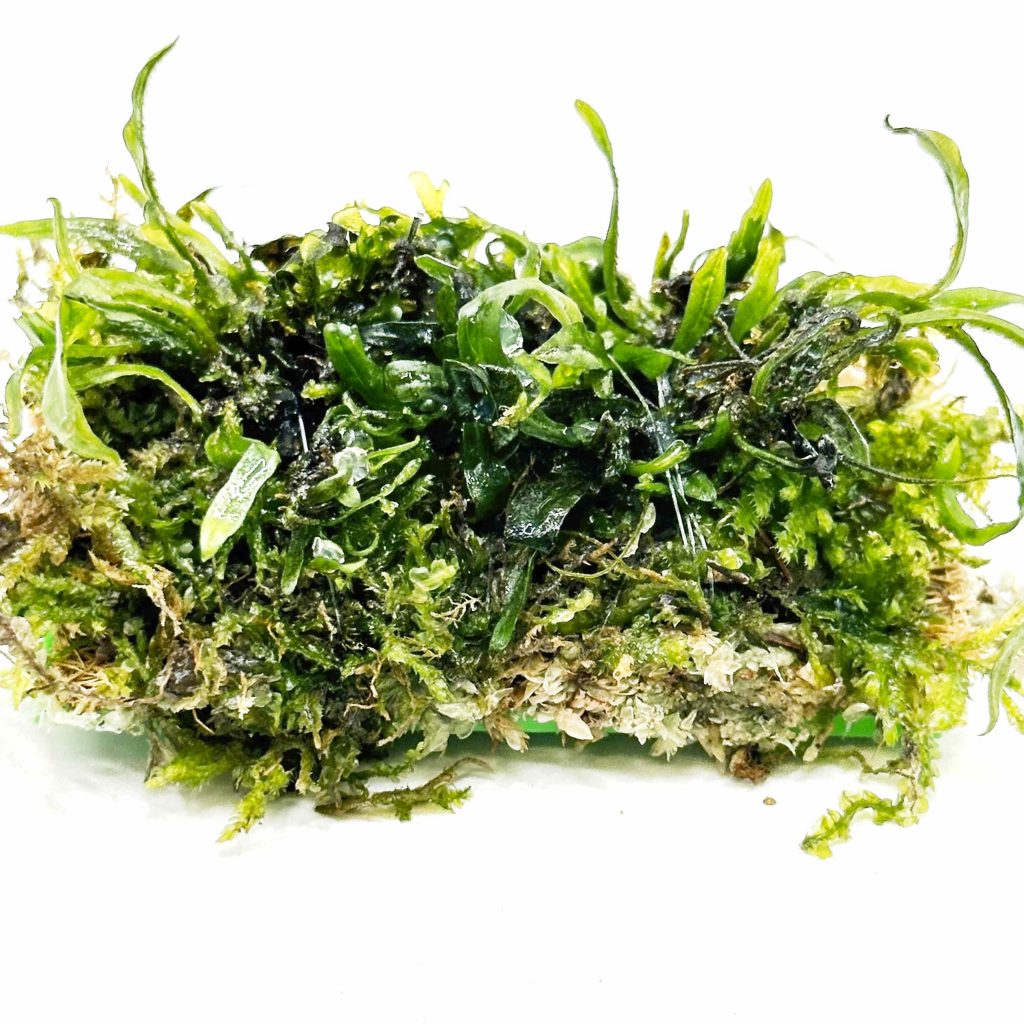
As the leaves mature, they transition into a deep, rich forest green, creating a multi-toned effect within a single clump. It is a slow-growing epiphyte that brings the rugged beauty of a tropical stream into the aquarium, offering a “wild” look with a high-end color twist.
QUICK GUIDE
| Feature | Requirement / Detail |
| Difficulty | Very Easy |
| Growth Rate | Slow |
| Placement | Midground / Background (Attached to hardscape) |
| Light Requirements | Low to Medium |
| Temperature | 20°C – 28°C (68°F – 82°F) |
| pH Range | 6.0 – 7.5 |
| CO2 Requirement | Optional (But improves red vibrancy) |
IN THE WILD
Like the standard Microsorum pteropus, the ‘Narrow Leaf Red’ variety traces its ancestry to Southeast Asia.
- The Jungle Stream: In nature, these ferns are found clinging to rocks, boulders, and fallen timber along the banks of tropical rivers and waterfalls.
- Amphibious Nature: They are true survivors, capable of growing fully submerged during the monsoon season and surviving in the humid, misty air of the forest during the dry season.
- The “Red” Protection: The reddish pigmentation in the new leaves acts as a protective measure against intense light in the wild, ensuring the delicate young tissue isn’t damaged before it fully develops chlorophyll.
IN THE AQUARIUM
This plant is a “set it and forget it” masterpiece, perfect for hobbyists who want color without the headache of demanding stem plants.
- The Rhizome Rule: This is the most critical aspect of care. The rhizome (the thick, horizontal green stem) must never be buried in the substrate. If buried, it will rot, and the plant will die. It should be attached to driftwood, rocks, or ornaments.
- Color Enhancement: While it survives easily in low light, the “Red” in its name truly shines under medium light and iron supplementation. Freshly sprouted leaves will emerge with a vibrant bronze-red glow before eventually hardening into green.
- Hardy Leaves: The leaves are tough and leathery, making them one of the few plants that can survive in tanks with herbivorous fish like Cichlids or Goldfish.
- Flow: It appreciates moderate water movement. Good flow prevents debris and algae from settling on the slow-growing leaves.
PROPAGATION
Propagating ‘Narrow Leaf Red’ is simple and can be done in two distinct ways:
- Rhizome Division: Using sharp, clean scissors, cut the horizontal rhizome into sections. Ensure each piece has at least 3–4 leaves and a few roots. These pieces can be re-attached to new areas of your hardscape.
- Adventitious Plantlets: This fern has a fascinating survival trick. You will often see tiny “baby ferns” growing directly off the tips or undersides of older leaves. Once these plantlets have a few leaves and roots of their own, you can gently pluck them off and glue or tie them elsewhere.
MY OBSERVATIONS
‘Narrow Leaf Red’ is the perfect “filler” for the midground. If you have a large piece of driftwood that looks a bit too dark or bare, attaching this fern to the branches instantly adds age and complexity.
Pro-Tip: If you notice black spots on the underside of the leaves, don’t panic! These are often sporangia (spore clusters), which are part of the plant’s natural reproductive cycle, not a disease. However, if the leaves start turning black and translucent, it may be “Java Fern Melt,” usually caused by a sudden, massive change in water chemistry. If this happens, prune the affected leaves; the rhizome will usually recover and send up new, adapted growth.
BUYING OPTIONS
We offer Microsorum pteropus ‘Narrow Leaf Red’ in two premium formats to suit your aquascaping style:
1. Tissue Culture Cups
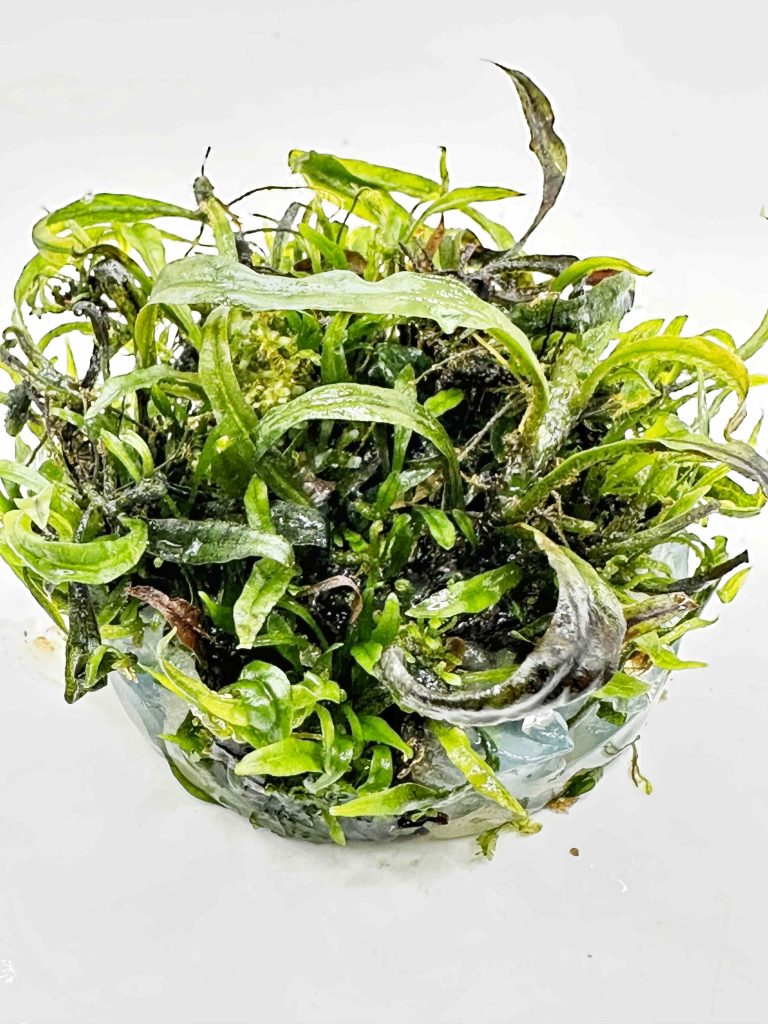
The best way to ensure your ferns are 100% clean from the start.
- Biosecure: Guaranteed free of snails, algae, and leeches.
- Young & Vigorous: These plantlets are in an active growth phase and tend to adapt more quickly to your water parameters than older, farmed specimens.
- Best for: Nano tanks and detail-oriented scaping.
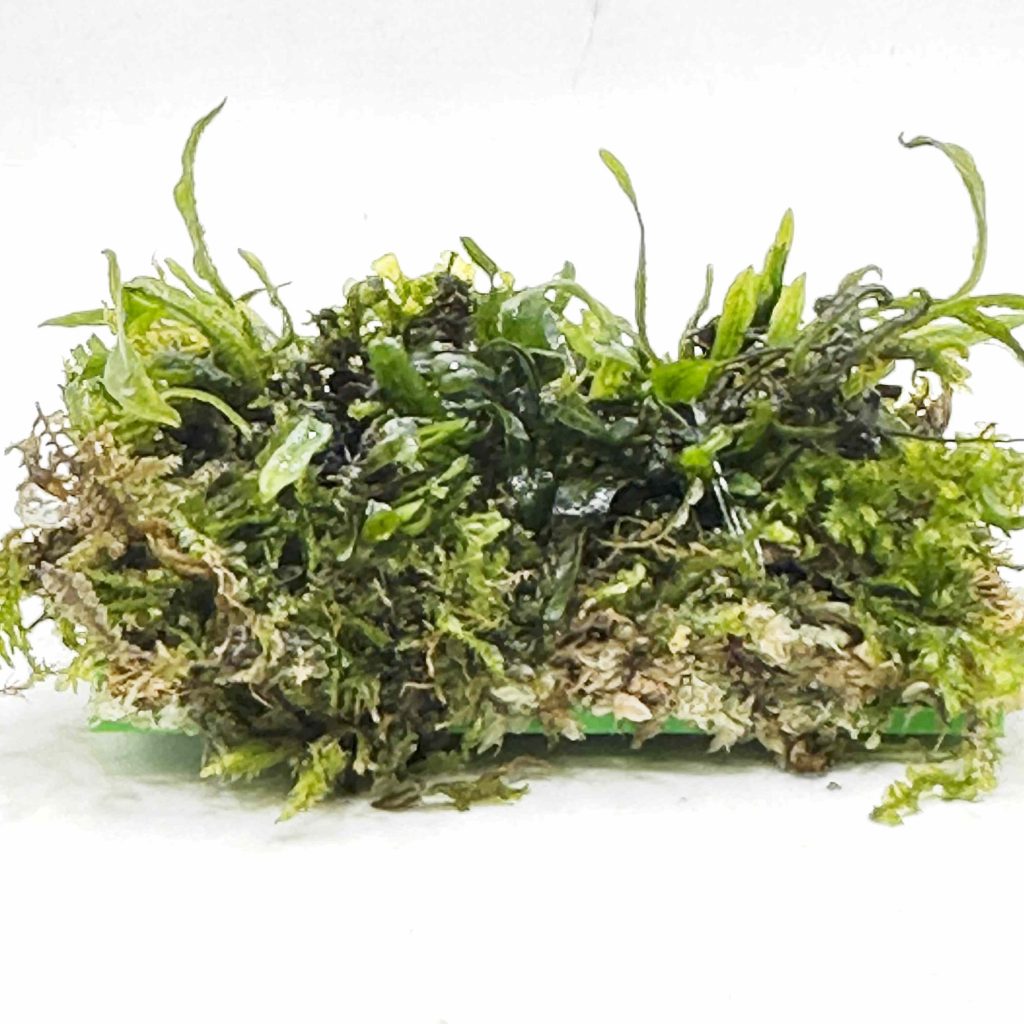
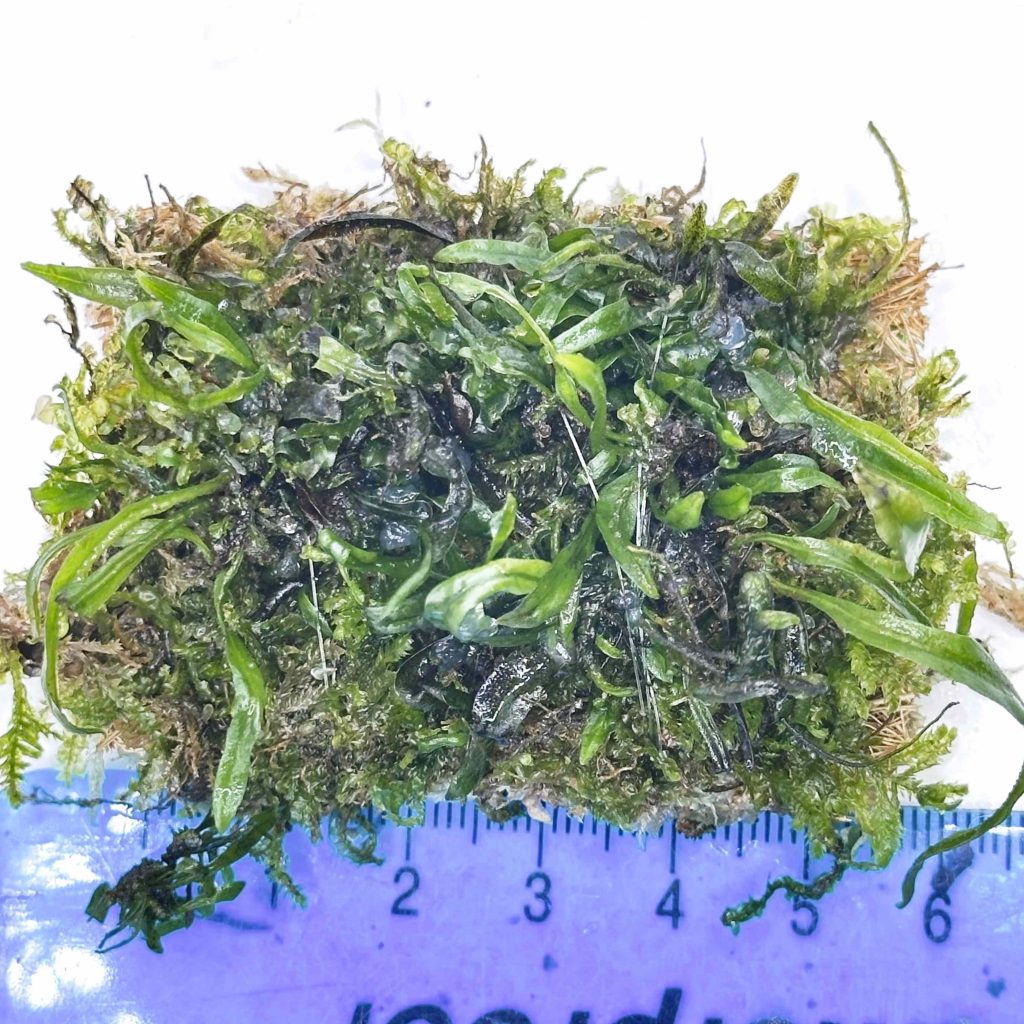
2. 6×4 Living Wall Mats
For an immediate, high-impact “Primeval Forest” look.
- Massive Coverage: These mats feature dozens of rhizomes woven together into a thick, lush carpet.
- Instant Background: You can lean these mats against the back glass or wrap them around large hardscape features. This creates an immediate “wall” of green and bronze that would normally take a year of growth to achieve.
- Best for: Large aquariums or hobbyists who want a mature, established look instantly.
