When people first get into aquarium plants, they often imagine lush jungle tanks full of greenery… and then reality happens.
Leaves melt.
Plants turn brown.
Something floats away across the tank like a tiny green UFO.
I’ve been there.
A lot of aquarium plant guides online read like plant encyclopedias written by botanists. Useful maybe, but not always practical when you’re just trying to get something green to stay alive in your tank.
Most of what I know about aquarium plants came from trial, error, and a fair bit of experimenting. Some plants died quickly. Others thrived even when I barely paid attention to them. Over time a pattern appeared: certain plants are simply far more forgiving than others.
This guide is a list of plants that beginners tend to have the best success with — plants that grow well without complicated setups, fancy fertilizers, or CO₂ systems.
If you’re starting your first planted tank, these are excellent places to begin.
1. Java Fern
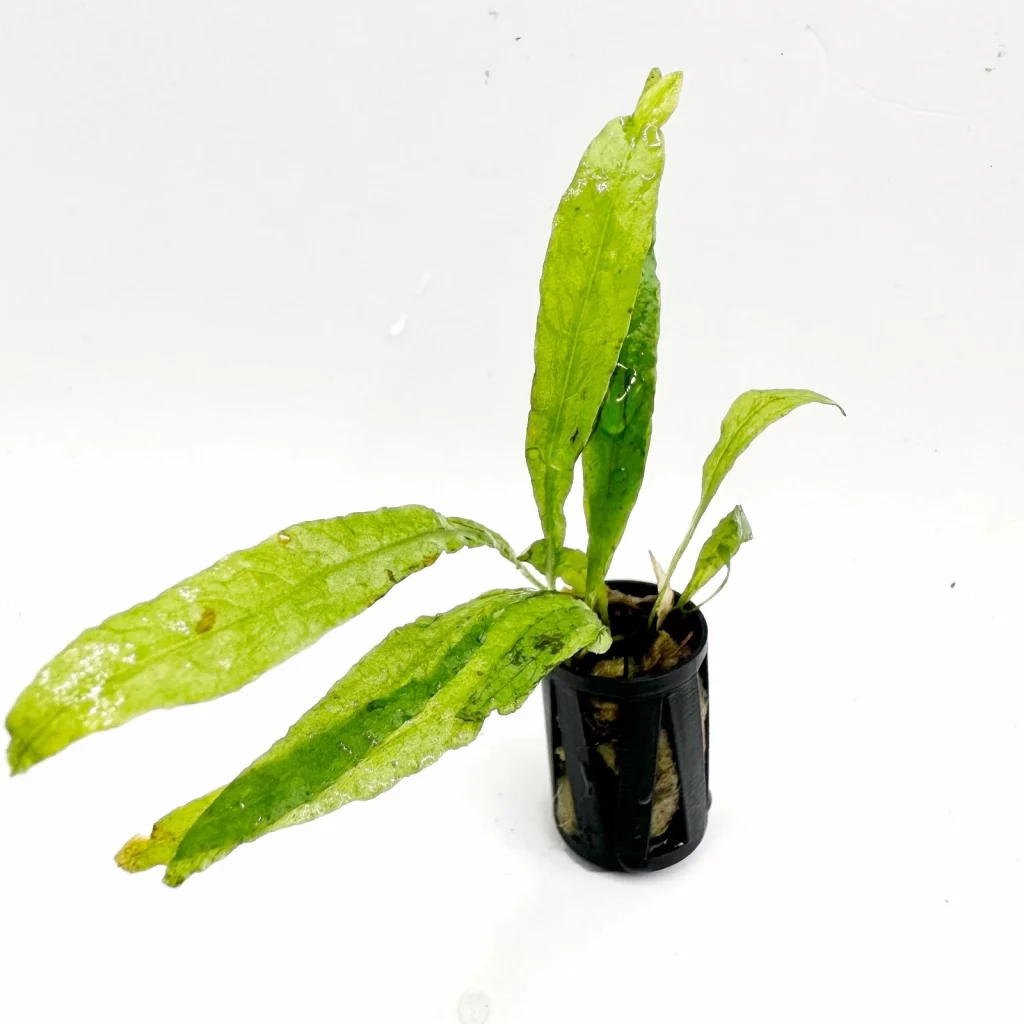
Java fern is often one of the first plants people succeed with.
It doesn’t like being buried in substrate, which confuses beginners at first. Instead it prefers to be attached to wood or rocks.
Once attached, it just quietly grows.
The leaves are thick and hardy, and fish rarely bother them. It also tolerates low light very well.
One nice thing about Java fern is that it reproduces easily. Tiny plantlets grow on older leaves, and you can simply move them elsewhere in the tank.
2. Anubias
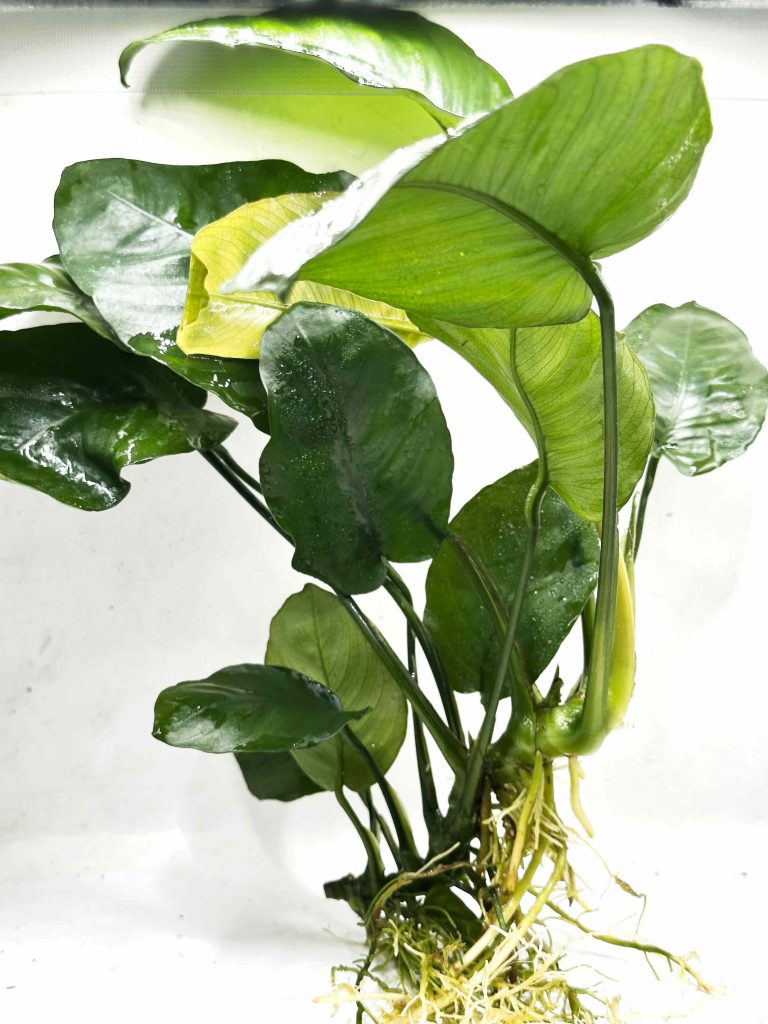
Anubias is another incredibly forgiving plant.
It grows slowly but steadily and can survive in conditions where many other plants struggle.
Like Java fern, it prefers to be attached to wood or rocks rather than planted in substrate.
The leaves are thick, almost leathery, which means they last a long time and are not easily damaged.
Because it grows slowly, it also requires very little maintenance.
3. Java Moss
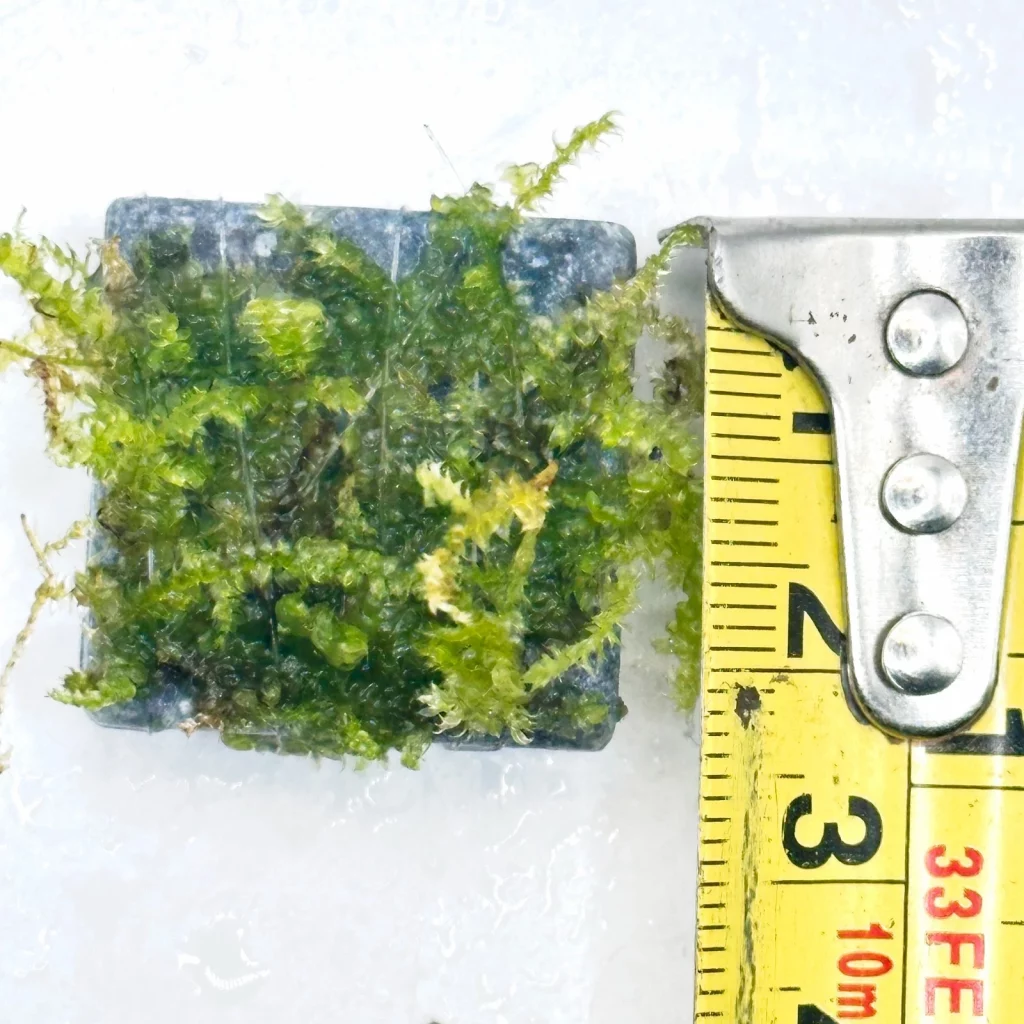
Java moss might be the easiest aquatic plant in existence.
Drop a clump into a tank and it usually grows.
It can attach to rocks, driftwood, decorations, or even aquarium mesh if you’re creating things like moss walls.
Shrimp absolutely love it because it creates a dense jungle of hiding places.
One warning though: it can spread everywhere if you let it. Some people love that look, others spend time trimming it back.
4. Amazon Sword
Amazon swords are one of the classic aquarium plants.
They grow quite large and are best placed toward the back of the tank.
Given enough nutrients in the substrate, they can grow into impressive centrepieces.
In my experience they are quite tolerant, although they do appreciate decent lighting and a nutrient-rich base.
5. Vallisneria
Vallisneria is the plant that creates those tall ribbon-like leaves swaying in the current.
It’s excellent for filling the background of an aquarium and grows surprisingly fast once established.
One of the interesting things about Vallisneria is how it spreads. It sends out runners under the substrate, and suddenly new plants appear nearby.
Before long you can have a whole grassy forest.
6. Water Wisteria
Water wisteria is a fast grower that beginners often have great success with.
It has delicate lace-like leaves that create a soft, natural look in the tank.
Because it grows quickly, it can help absorb excess nutrients and keep the aquarium stable.
Fast growers like this are often useful in new tanks where the ecosystem is still balancing itself.
7. Hornwort
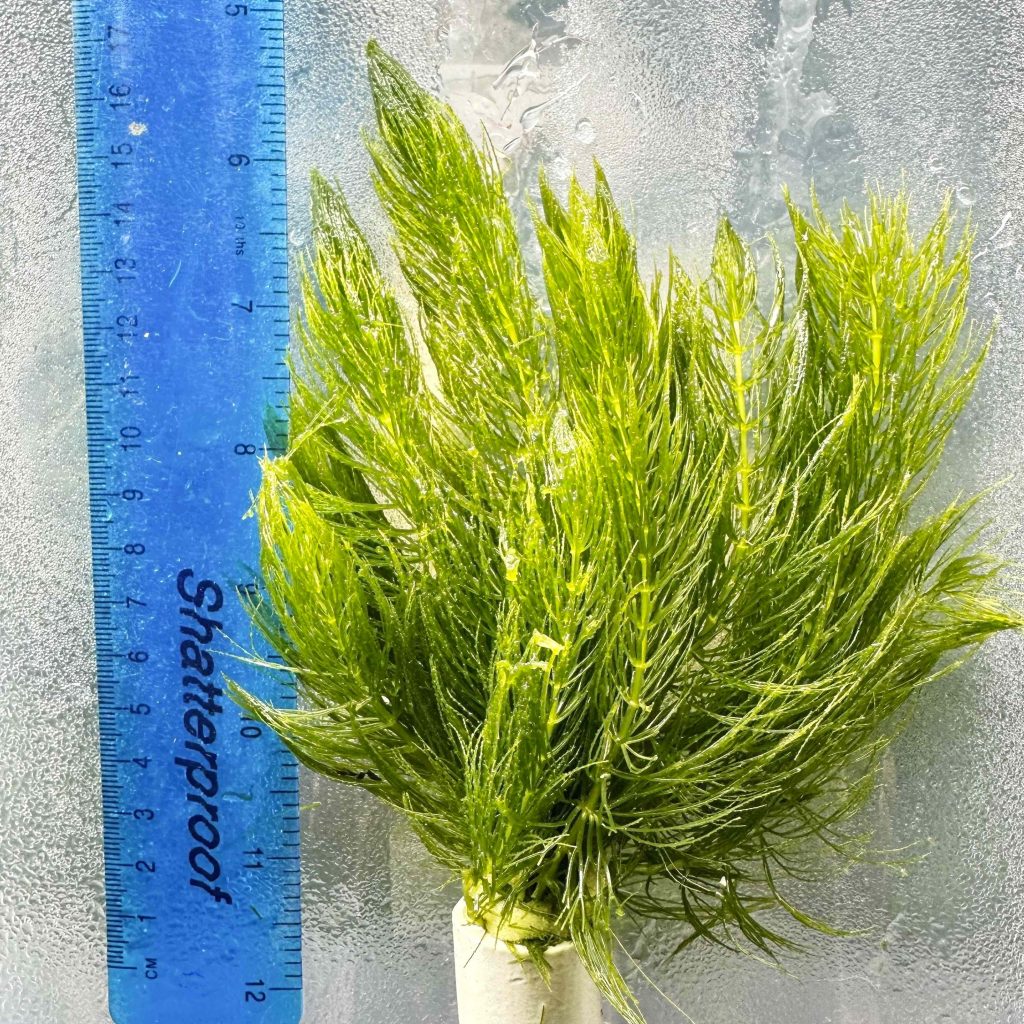
Hornwort is a strange one.
It can be planted in substrate, but many people simply let it float.
It grows extremely quickly and is very good at absorbing nutrients from the water.
Because of that, it’s sometimes used to help control algae during the early stages of a tank.
It’s not the most elegant plant, but it’s incredibly resilient.
8. Cryptocoryne (Crypts)
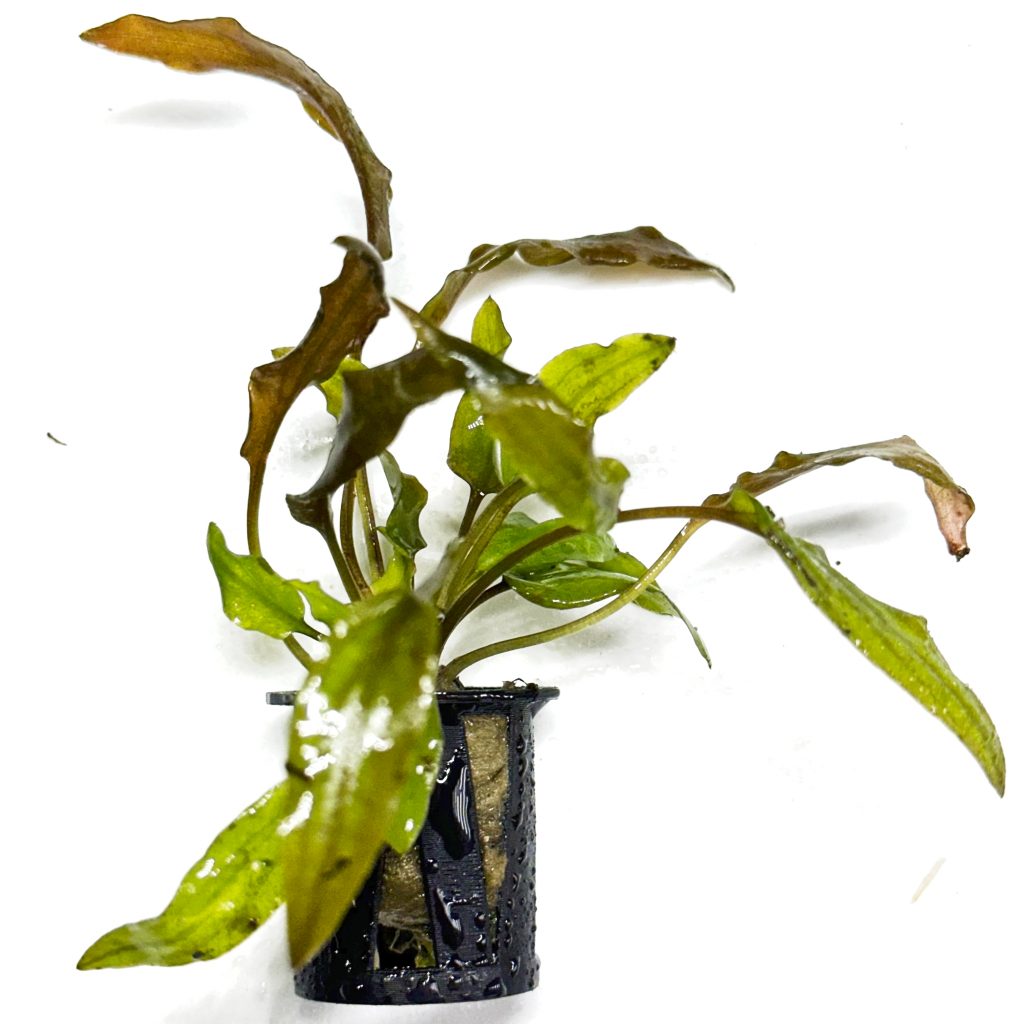
Cryptocoryne plants are favourites among aquascapers.
They come in many varieties and stay relatively compact, which makes them ideal for midground areas.
One thing beginners should know about crypts is something called crypt melt.
Sometimes when introduced to a new tank, the leaves suddenly die back. This can look alarming, but the roots usually survive and new leaves grow later.
It’s just the plant adjusting to new conditions.
9. Bacopa
Bacopa grows upright stems with small rounded leaves.
It’s fairly adaptable and can grow in both submerged and emersed conditions.
The growth is steady rather than explosive, which makes it easier to manage than some fast stem plants.
10. Limnophila
Limnophila is another quick grower that beginners often enjoy.
The leaves are feathery and bright green, giving the aquarium a light, airy appearance.
It grows toward the surface and can form thick clusters if trimmed regularly.
11. Dwarf Sagittaria
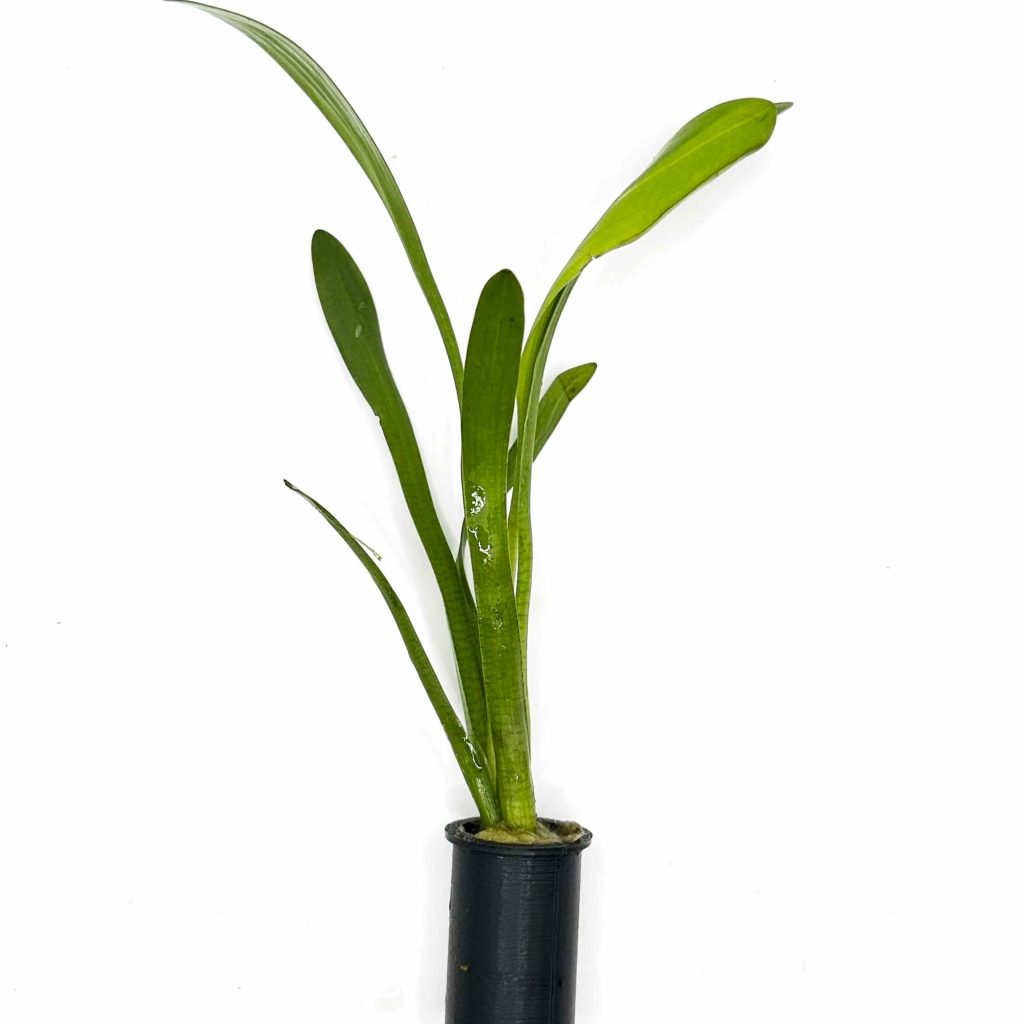
Dwarf sag creates grassy carpets in aquariums.
It spreads through runners similar to Vallisneria but stays much shorter.
Given time, it can fill open spaces and create a natural meadow look.
12. Water Sprite
Water sprite is another plant that grows rapidly.
It can be planted or floated, and both methods work well.
When floating, it produces long roots that create shelter for small fish and shrimp.
13. Bucephalandra
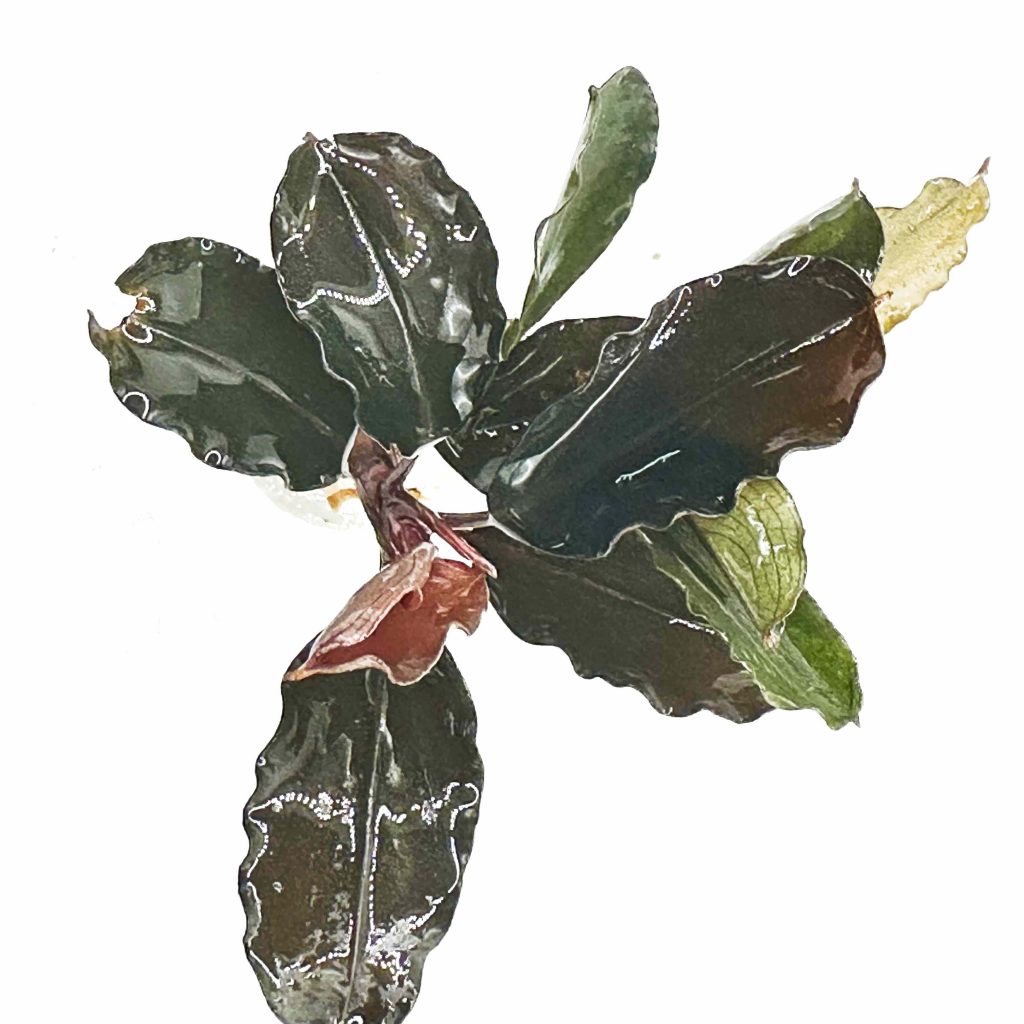
Buce plants have become very popular in aquascaping.
They attach to wood or rocks just like Anubias and Java fern.
They grow slowly but have beautiful leaf shapes and colours, sometimes with metallic or bluish tones.
14. Christmas Moss
Christmas moss grows in layered triangular patterns, which is where it gets its name.
It’s often used on driftwood branches to create the appearance of tiny underwater trees.
It behaves similarly to Java moss but has a more structured look.
15. Marimo Moss Balls
These aren’t technically moss but a type of algae.
They form soft green spheres that slowly roll around the tank with the current.
They require almost no maintenance and can live for many years.
16. Hygrophila
Hygrophila species grow quickly and are very forgiving.
They are often recommended for beginners because they adapt well to different lighting levels and water conditions.
17. Rotala
Rotala plants produce fine stems and small leaves.
Under stronger lighting they can develop reddish tones.
Even under moderate light they still grow well, just staying greener.
18. Anacharis
Also called Elodea, this plant grows extremely fast.
It’s sometimes used in outdoor ponds as well as aquariums.
Because of its speed of growth, it can help absorb nutrients and stabilise water quality.
19. Pennywort
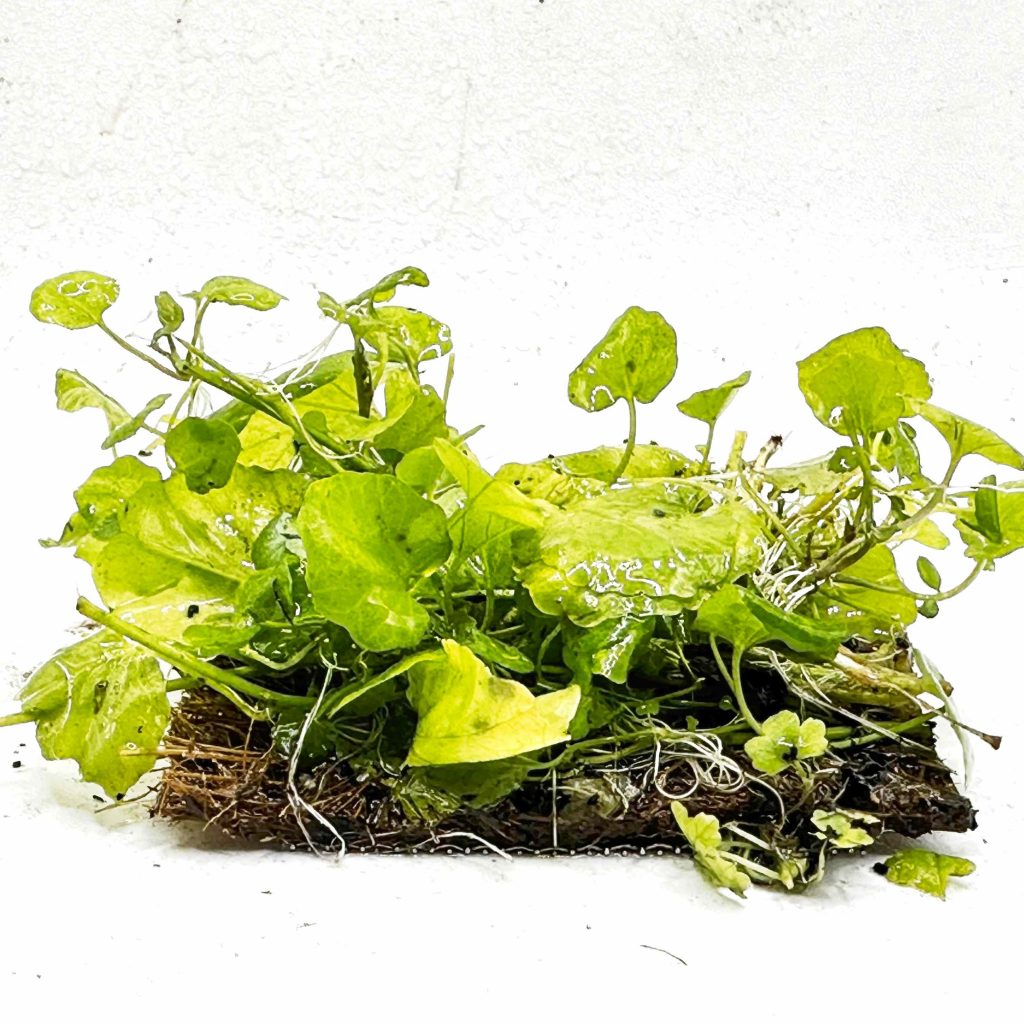
Pennywort has distinctive round leaves and creeping stems.
It can grow submerged or above the waterline, which makes it interesting in open-top aquariums.
20. Jungle Val
Jungle Vallisneria is basically Vallisneria’s bigger cousin.
The leaves can reach impressive lengths and create dramatic background coverage.
21. Floating Frogbit
Frogbit floats on the water surface and sends long roots downward.
These roots create a natural curtain effect that many fish enjoy swimming through.
Floating plants like frogbit also help shade the tank and reduce algae.
A Small Tip Most Beginners Learn Eventually
Many new aquarium keepers think they need lots of different plants immediately.
In reality, success usually comes from starting with just a few hardy species and letting them establish themselves.
Once the tank stabilises, you can experiment with more demanding plants.
That’s how many planted tanks evolve — slowly, through observation and a bit of trial and error.
Final Thoughts
Aquarium plants don’t have to be complicated.
Some species are remarkably tolerant and will grow happily even in simple setups with basic lighting and minimal equipment.
Starting with reliable plants like the ones listed here gives beginners the confidence to experiment and gradually build more complex planted aquariums.
And sometimes the most interesting aquascapes aren’t the ones that follow strict rules, but the ones that evolve naturally as you learn what works in your own tank.
