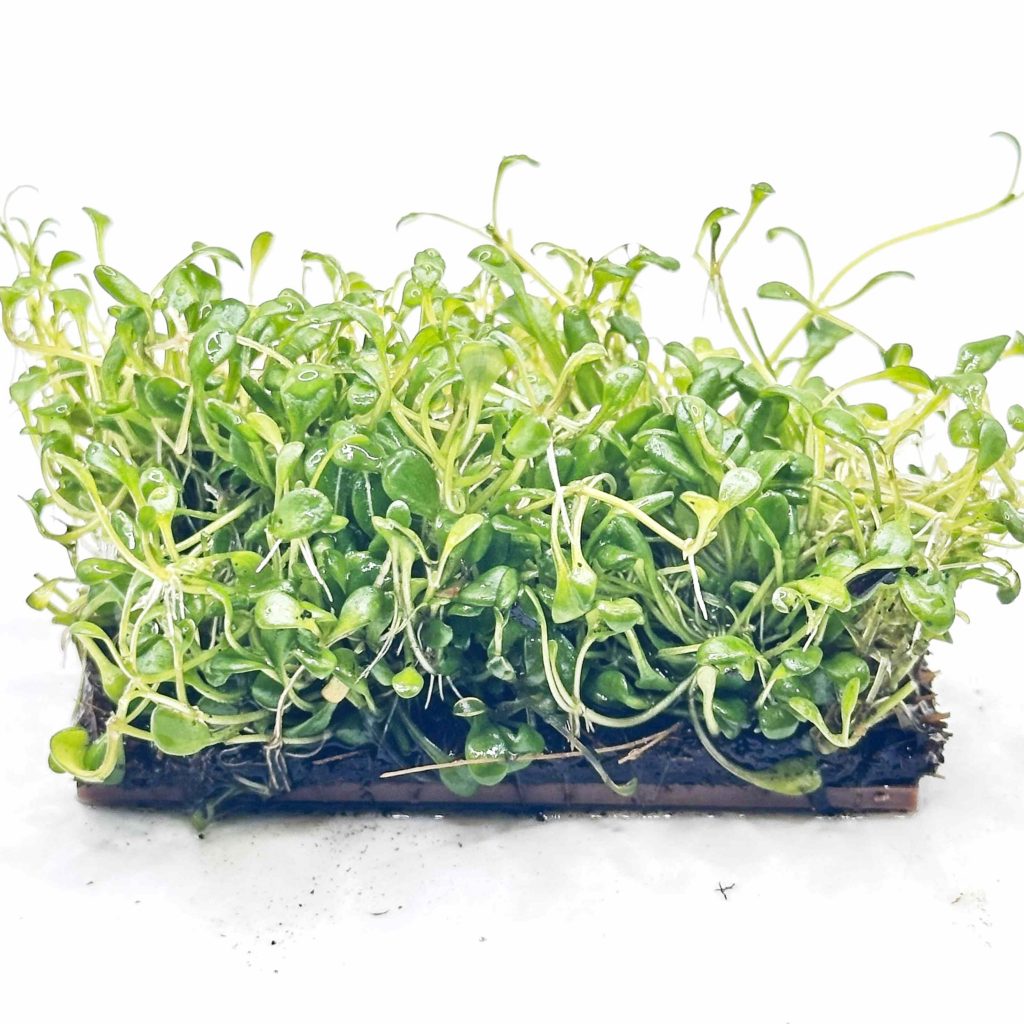
Glossostigma elatinoides: The BEST Aquarium Carpet Plant of All Time?
Alright… I’m just going to say it.
If I had to pick one carpeting plant to use again and again, it would be glosso. Every time.
Yes, there are trendier plants. Yes, there are “harder” plants that people like to brag about growing. But when it comes to that lush, bright green, nature-aquarium-style carpet that makes your tank look like a tiny underwater meadow… nothing beats Glossostigma elatinoides in my opinion.
Let me explain why.
Why I Rate Glosso So Highly
1. It Grows FAST
This is the big one.
You genuinely don’t need loads of it to get started. I’ve seen (and done) setups where you plant a small amount and within weeks it’s sending runners everywhere.
Glosso spreads by pushing out horizontal runners. Each runner throws out new leaf nodes, and before you know it, bare substrate turns into a thick green carpet.
Yes, buying more upfront makes it fill in faster.
But you absolutely don’t need to carpet the whole tank on day one.
That makes it surprisingly cost-effective compared to some other foreground plants.
2. That Lush, Natural Look
There’s something about glosso that just looks right.
It’s a staple of the nature aquarium style popularised by Takashi Amano, and once you see a proper glosso carpet in person, you understand why.
It gives you:
- A soft, meadow-like foreground
- A slightly brighter green tone
- A clean, defined carpet edge
- A very “alive” feel to the tank
It’s less delicate than dwarf baby tears, and in my experience, far more forgiving.
How I Get It to Carpet Properly
Now this is where most people go wrong.
💡 The Secret Is in the Initial Planting
If you buy glosso in pots or small mats, the temptation is to just shove the whole clump in and be done with it.
Don’t.
If you plant big chunks, it tends to grow upward instead of spreading out. That’s when people complain that it’s getting “leggy” or too tall.
What works far better:
- Separate it into tiny plantlets (2–3 leaves each)
- Plant them individually
- Space them evenly across the area (around 1–2cm apart)
Yes, it takes time.
Yes, it can take hours.
But the payoff? Massive.
You get:
- More horizontal runners
- Faster fill-in
- A flatter, tighter carpet
If you’ve got a free weekend, it’s actually quite therapeutic sitting there planting it properly.
What Glosso Needs to Thrive
Let’s keep it simple.
Substrate
A good quality aquasoil makes a huge difference. Something nutrient-rich helps drive strong root growth.
You can grow it in inert substrates too, but then you’ll need to compensate with good water column dosing.
CO₂
If you want a proper tight carpet?
Run CO₂.
High CO₂ levels encourage horizontal growth and keep it compact. Without CO₂, it can grow taller and looser.
Lighting
Moderate to high light is ideal.
Higher light generally pushes it to stay low and spread. That said, I’ve seen it grow horizontally even under mid-level lighting if everything else is dialled in.
Nutrients
Glosso loves nutrients.
Nitrate, phosphate, iron — keep them available. If nutrients are limited, you’ll see deficiencies quickly because it grows so fast.
It’s a hungry plant. Feed it.
Is It Easier Than Dwarf Baby Tears?
Short answer: yes.
If we’re ranking foreground difficulty:
- Mosses = easy
- Glosso = medium
- Dwarf baby tears = harder
Glosso gives you that tight carpet look without being as temperamental.
That’s a big reason I recommend it so often.
It Doesn’t Just Belong in Substrate
One thing people forget — glosso will also grow over:
- Rocks
- Driftwood
- Hardscape edges
If you tie it down lightly at first, it’ll root in and spread across surfaces.
That opens up some really interesting aquascaping options.
Why My Pre-Prepared Glosso Mats Make Life So Much Easier
Now let’s talk about the bit that saves you hours.
Remember that whole “separate into tiny plantlets” stage?
That’s the part that takes forever.
That’s exactly why I offer already prepared glosso mats.
What That Means for You
Instead of:
- Buying pots
- Spending hours separating plantlets
- Tweezing every tiny piece into place
You get:
- A pre-established, evenly grown mat
- Horizontal growth already encouraged
- Dense root structure
- Faster visual impact
You can either:
- Lay them down for an instant carpet base
- Cut them into sections and space them
- Attach them to hardscape
- Use them in wabi kusa setups
They’re ideal if you:
- Don’t want to spend a whole weekend planting
- Want predictable results
- Are setting up multiple tanks
- Want faster turnaround on a display
Because they’re already growing laterally, they’re primed to continue spreading instead of wasting time converting from vertical pot growth.
It’s basically skipping the most tedious stage and jumping straight to the satisfying bit — watching it take over your tank.
Final Thoughts
If you’re chasing that:
- Nature aquarium look
- Bright, lush foreground
- Fast fill-in
- Reliable carpeting plant
Glossostigma elatinoides is incredibly hard to beat.
Give it:
- Good substrate
- Decent light
- Plenty of nutrients
- Strong CO₂
Plant it properly (or use a prepared mat 😉), and it will reward you fast.
For me, it’s still the best aquarium carpet plant of all time.
And I’ve tried a lot of them.
